
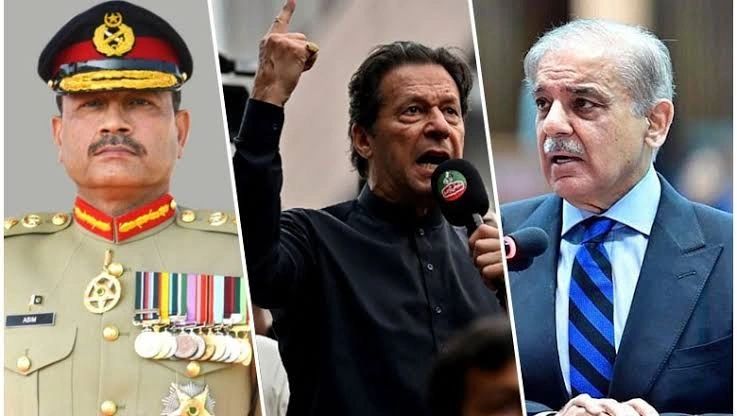
PTI’s Final Push or Last Stand? Imran Khan’s Movement Faces a Critical Test
As Pakistan Tehreek-e-Insaf (PTI) prepares for a fresh wave of protests on August 5, its core agenda remains unchanged—to secure the release of its imprisoned leader, former Prime Minister Imran Khan, and restore him to the helm of Pakistan’s political landscape. Yet, the party’s latest call for nationwide mobilization, spearheaded by Khyber Pakhtunkhwa Chief Minister Ali Amin Gandapur, increasingly appears less like a “final push” and more like a last-ditch effort to revive a fading political force.
Despite his incarceration, Imran Khan continues to command fierce loyalty across Pakistan. His populist appeal and anti-establishment rhetoric still resonate, particularly with the youth. However, this time, the enthusiasm is visibly diminished. PTI is struggling to reignite the kind of street power it once mobilized, hampered by a series of political missteps, internal rifts, and mounting public fatigue.
Gandapur has announced a 90-day protest campaign aimed at exerting pressure on both the civilian government and the military establishment—Pakistan’s ultimate power broker—to release Khan. But critics see this effort as being driven more by internal theatrics than genuine public momentum. Notably, the campaign’s epicenter is Lahore, the heart of Punjab, which may serve a dual purpose: to test the waters in Pakistan’s political heartland, and to shift blame toward local PTI leadership if public turnout falls short.
Gandapur himself is walking a political tightrope. On one side, he faces constant pressure from Imran Khan to act decisively and boldly; on the other, he remains cautious of potential consequences from Khan’s chief rival, Army Chief General Asim Munir. This balancing act highlights the broader existential dilemma confronting many PTI leaders—torn between unyielding loyalty to Khan and the pragmatic fear of directly challenging the powerful military.
Meanwhile, the current Shahbaz Sharif-led government, fully backed by the military establishment, has adopted a comparatively restrained stance toward PTI’s mobilization. Unlike previous aggressive crackdowns, this time the state response appears more muted—perhaps due to confidence in PTI’s declining traction or a shift in strategic focus.
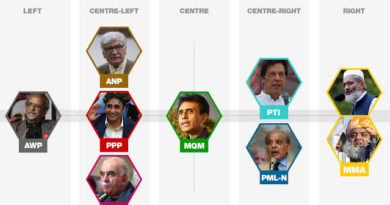
Once considered the most potent political force in Pakistan, PTI is now showing visible signs of disarray. Its singular obsession with Khan’s release has come at the cost of addressing broader public grievances—most notably, the skyrocketing electricity bills that Jamaat-e-Islami (JI) has successfully politicized. PTI’s failure to capitalize on such pressing economic concerns has created space for political rivals like JI, PML-N, PPP, and JUI-F to expand their influence at both local and national levels.
What began as a populist revolution led by a charismatic former cricketer now appears increasingly overshadowed by political disorganization, strategic blunders, and internal fragmentation. While Imran Khan may still nurture ambitions of a political comeback, this so-called “final push” is beginning to look more like PTI’s last real shot—one that could end in further marginalization rather than resurgence.


Great write up
Nice blog
Amazing Articles…